Scented Stories on the Trail

Nose-to-Neuron Magic
Behind every sniff, olfactory receptors send signals straight to the limbic system, skipping the thalamic relay other senses use. Explain this shortcut in child-friendly terms, and watch confidence grow as kids recognize their bodies as powerful storytellers, linking feelings, colors, and sounds to particular leaves and resins.
From Scent to Setting
Guide children to map a smell onto a place: rosemary becomes a cliffside garden; lemon balm suggests sunshine bouncing on water; damp sage evokes fog rolling over hills. With each association, the path transforms into a stage, and story geography gains depth, scale, and navigable landmarks.
Inclusive Sensory Pathways
Not every child experiences scent the same way. Some need stronger cues; others prefer distance or visual anchors. Combine gentle wafting, colorful ribbons, texture cards, and optional gloves, allowing participation without pressure. Inclusion grows when choice, pacing, and multiple modalities frame discovery, caring for bodies and boundaries.
Choosing Kid-Safe Aromatics
Foraging with Care and Consent
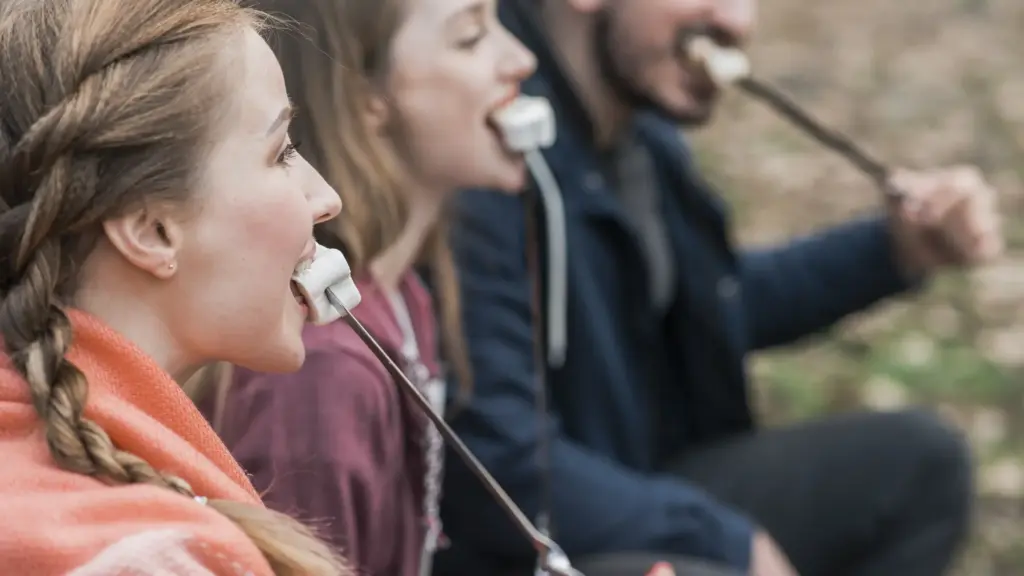
Character Building with Herbs
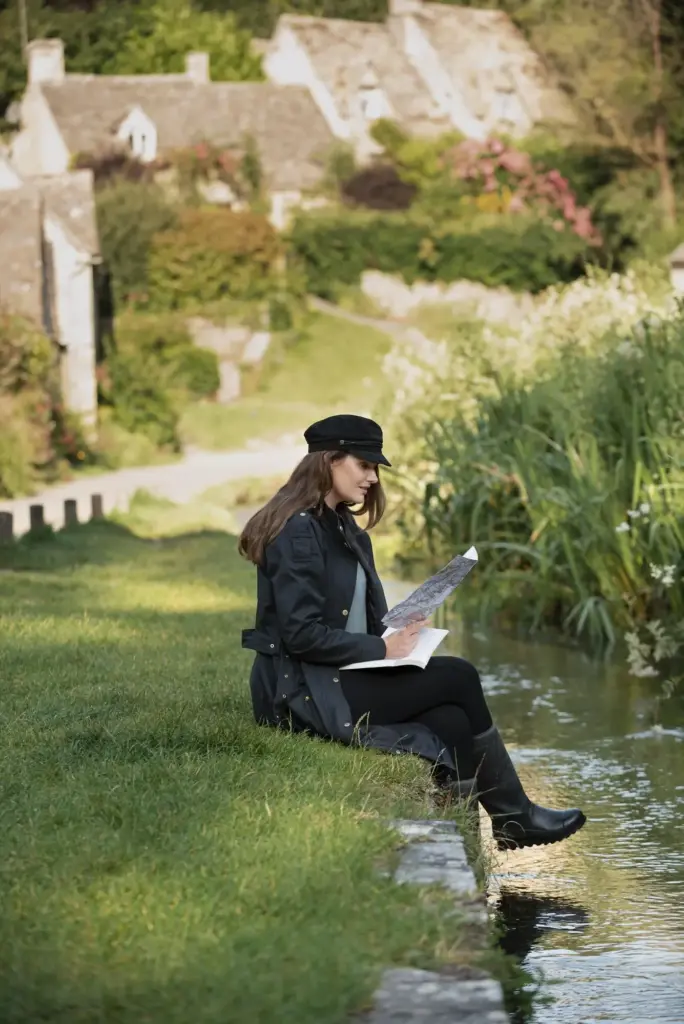
Conflict and Resolution in the Garden
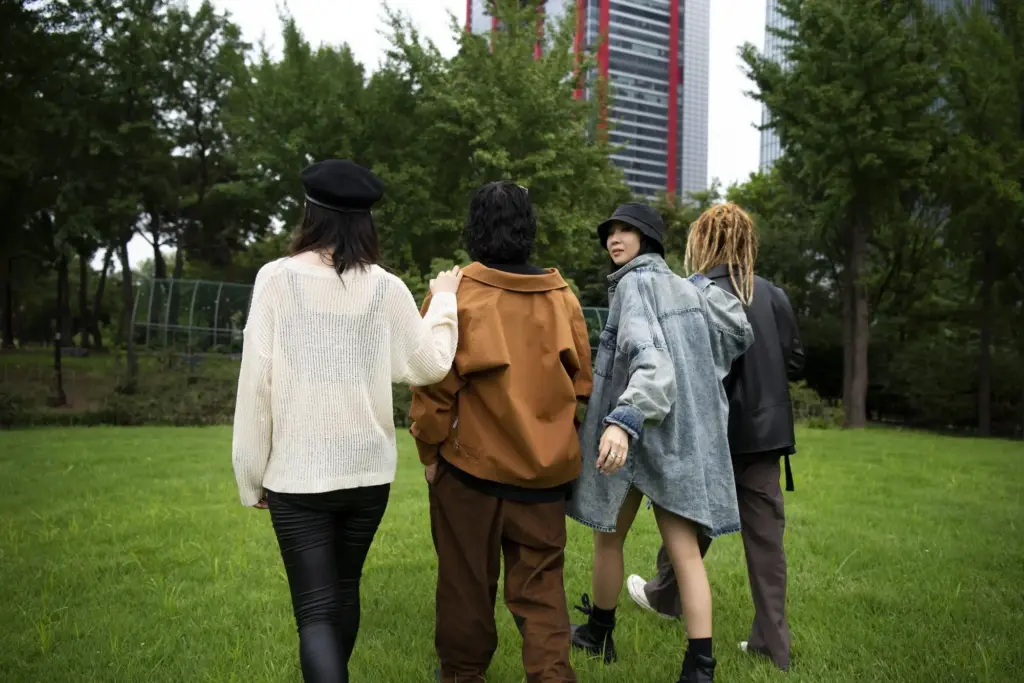
Activities that Blend Movement, Memory, and Scent
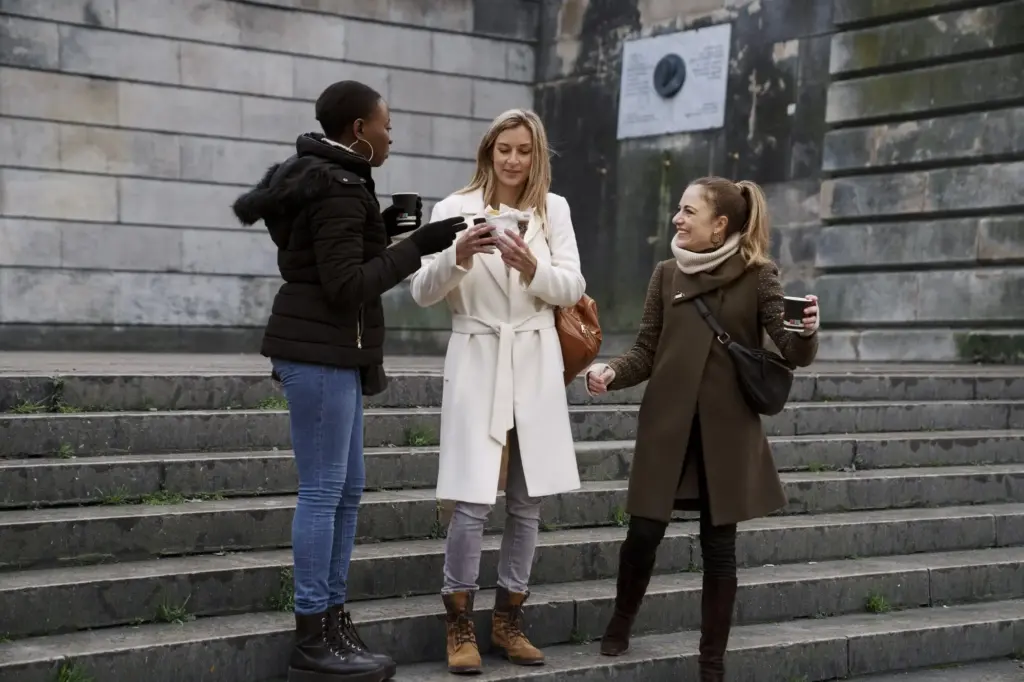
Cross-Curricular Links: Science, Language, and Art
Voices from the Path: Anecdotes and Results
A Morning with Lavender Liz
Six-year-old Liz clutched a purple ribbon, whispering, I’m nervous. After three soft inhales near a lavender patch, her shoulders dropped, and she volunteered the first line about a sky mending itself. The group echoed, and confidence spiraled outward like calm rings across a pond.
The Day Rosemary Solved a Riddle
A class puzzled over a locked gate in their improvised plot. One child sniffed rosemary, declared it smells like remembering, then suggested checking yesterday’s map symbols. They found a spare ribbon key under a bench, erupting in cheers that linked perseverance, cleverness, and a sprig’s bright hope.
Keep the Story Going: Assessment, Reflection, and Community
Learning Journals that Breathe
Invite children to record scents, settings, and feelings immediately after walks, using drawings, word lists, and tiny leaf pockets. Dictation supports emergent writers. Over weeks, portfolios reveal richer adjectives, clearer sequencing, and braver voices, offering authentic evidence for families, administrators, and the children themselves.
Family Scent Libraries
Send home small envelopes or cards inviting families to add safe herbs from kitchens or balconies. Children return with stories, photos, and labels in many languages. Community collections honor heritage, expand vocabulary, and strengthen bonds, ensuring every walk begins already threaded with pride and welcoming recognition.
Share, Subscribe, and Stroll Together
Join our mailing list for fresh activity ideas, printable maps, and research summaries linking scent, memory, and literacy. Comment with your favorite trails, accessibility notes, and plant substitutions. Your insights shape upcoming guides, and together we’ll keep little noses curious, confident, and joyfully learning under open skies.